Why I built SiteForeman
I owner built a house with no construction experience. The hard part wasn’t the building — it was not knowing what any of it should cost, what order the work went in, or what to even ask a tradie for. SiteForeman is the tool I wanted at the time and couldn’t find.
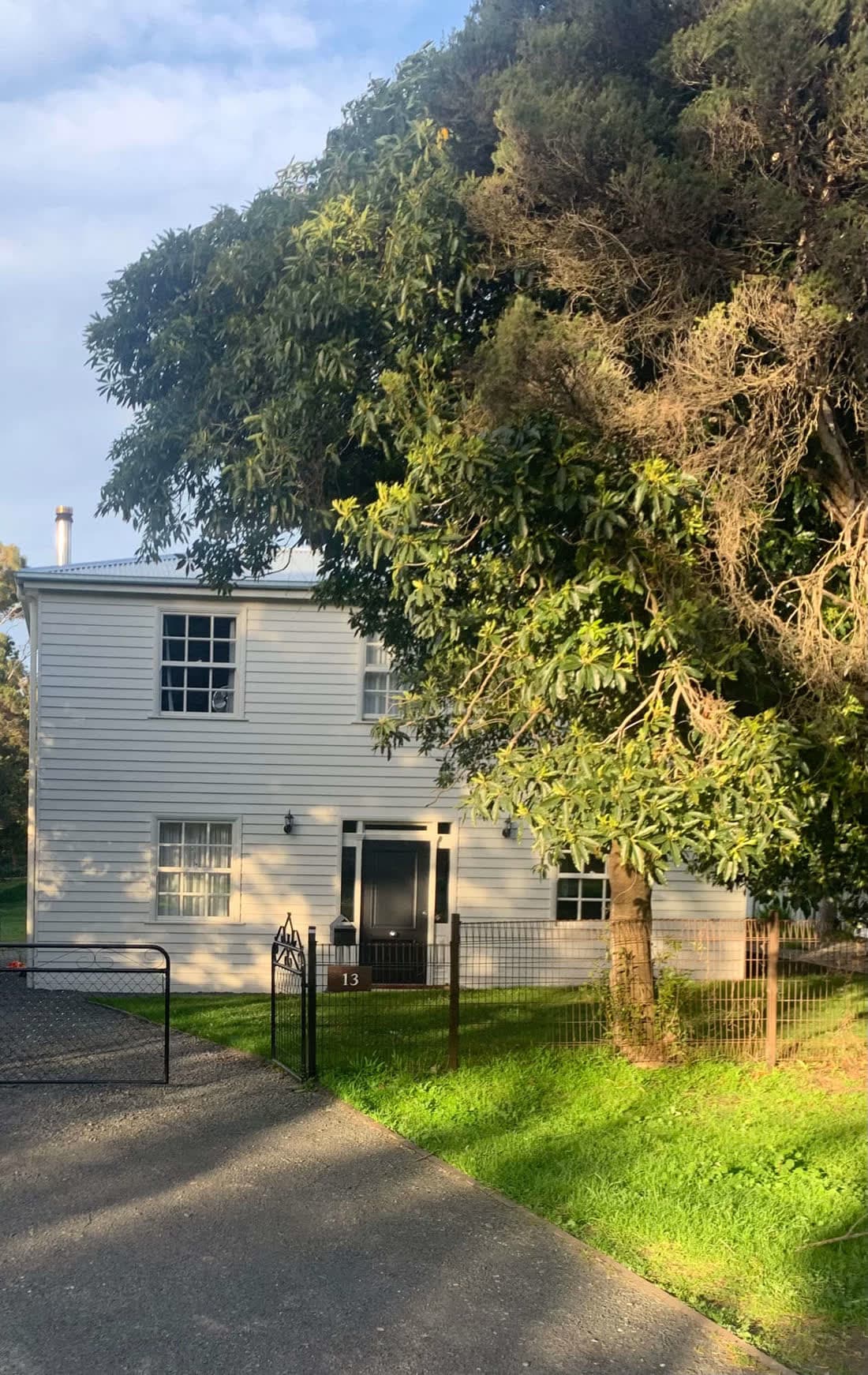
I had no idea what it’d cost
Not the total, and not the parts either. I couldn’t tell you whether a concreter’s price was fair, whether the framing quote was high, or how much of the budget the roof was meant to take. A number would come back and I had nothing to compare it to.
It came to $350k in the end. I didn’t know that until it was over.
I didn’t know what happened next
A build is a sequence and the order matters. The plumber’s got to be under the slab before it’s poured, and he’s back twice more after that. The electrician turns up at the very start to get temporary power on, then again before the plaster and again after. Waterproofing goes in before the tiler does.
Nobody handed me that list. I picked it up in bits, mostly from frantically googling — which is slow, and you never really know whether what you’ve found applies to your build.
I lost track of who I’d asked
Sounds trivial. Wasn’t. I was contacting dozens of trades. Some replied in an hour, some in three weeks, some never. Prices came in by text, by email, and over the phone while I was trying to to work my actual job.
A couple of months in I couldn’t tell you who I’d chased, who owed me a price, or which of three numbers for the same job was the current one. It was confusing and messy.
And I didn’t know what to ask for
Owner builders don’t always get taken seriously, and I get why. A vague request gets a vague price, or no reply at all. My early emails didn’t say what the job actually involved, when it needed to start, or when I needed the price back — because I didn’t know enough to say. Then I’d end up with quotes I couldn’t compare.

So I built what I’d needed
It’s not a general project tool with a building theme on top. Every part of it is there because of something above.
| What I couldn’t do | What it does now |
|---|---|
| Know roughly what any of it should cost | Reads your plans and gives a ballpark, stage by stage |
| Know what order the work went in | Lays the stages out on a timeline, in sequence |
| Write a request a tradie actually took seriously | Generates a scoped quote request with the site, dates and permit |
| Remember who I’d asked and who replied | Logs every request and the price that came back |
| Compare three prices for the same job | Puts the quotes for each trade side by side |
| See where the money had gone | Tracks committed costs against what you’ve paid |
What it is and isn’t
It’s a tool for organising your build and understanding what it’ll cost. It’s not a builder, a building surveyor or a quantity surveyor, and the numbers are ballpark figures, not quotes. Every build is different. Use them to know roughly what to expect, then go and get real prices in writing.
We’ve since moved on
The house is finished and we don’t live there any more. What I took from it is that owner building is absolutely doable without experience — but not without structure, and the structure was the bit nobody gave me. That’s why this exists.
— Mitch